


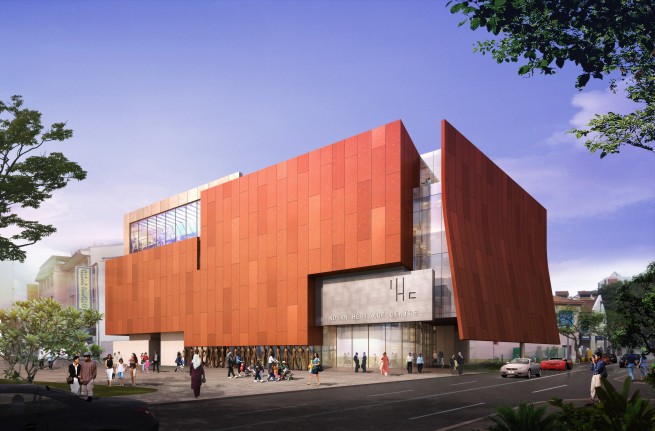
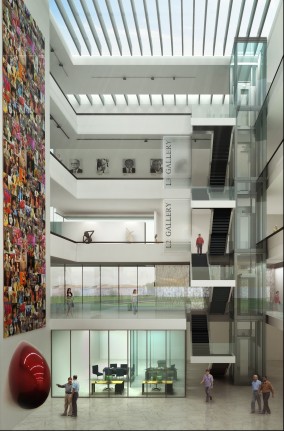
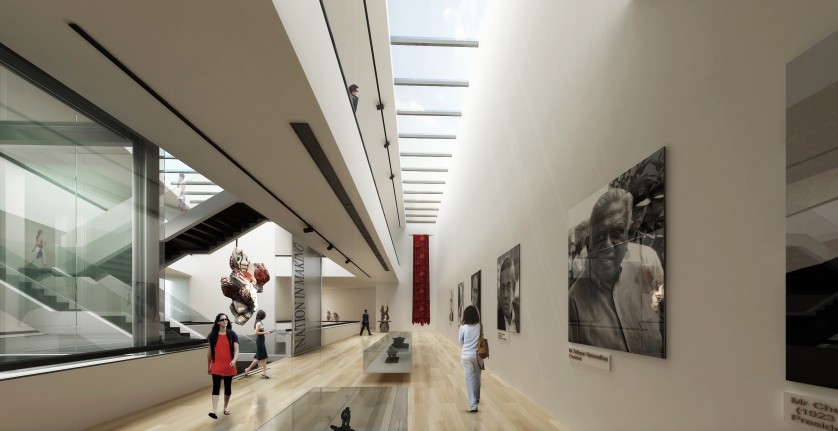
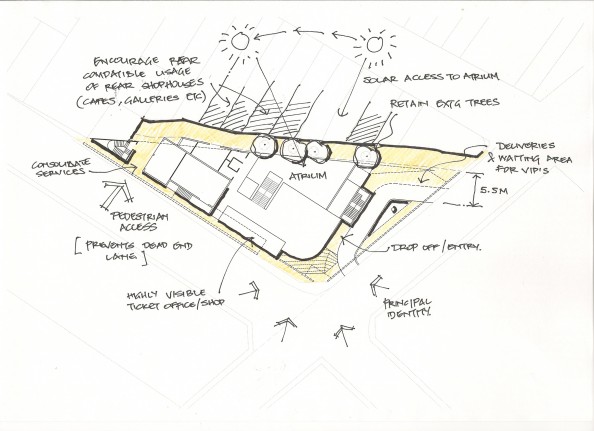
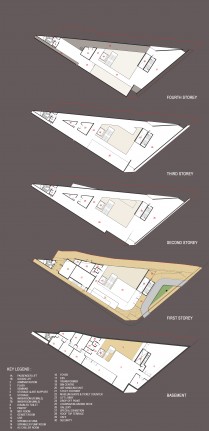
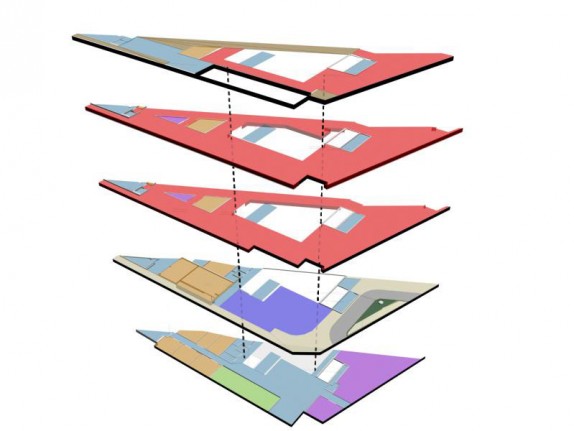
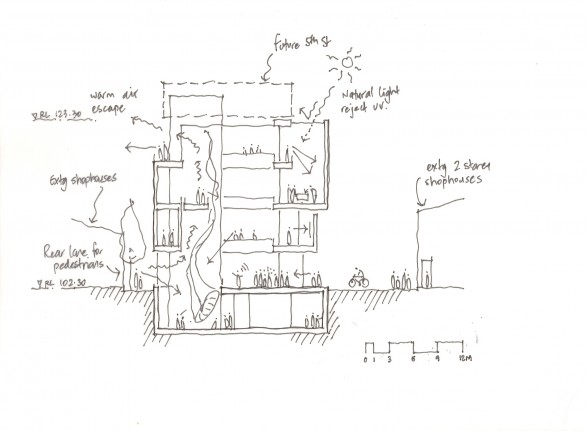
Launched under a government initiative by the National Heritage Board, the development of an Indian Heritage Centre was envisaged as a living platform dedicated to all the Indian communities of Singapore. To be established within the Little India Conservation Area, the facility shall be committed to the study, presentation and interpretation of their cultural expressions and history for the engagement and enrichment of all Singaporeans and international visitors.
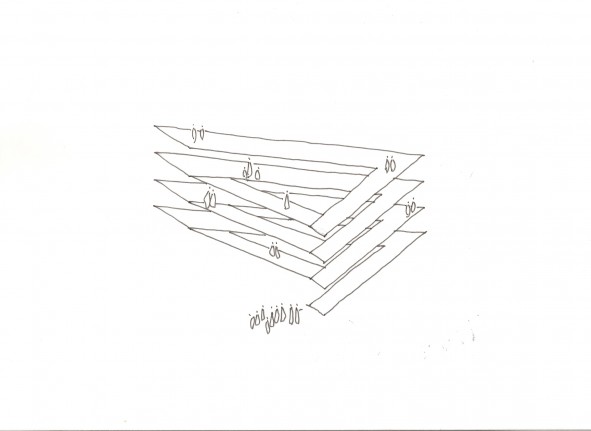
On a triangulated urban site, our design response took the concept of the sari – the ubiquitous garment adorned by the majority of female Indians – and considered its length as representing the chronological timeline of the Indian community in Singapore. As the sari folds and unfolds, so to the chronicle of the Indian migrant, through early contacts, migration patterns, the turbulent pre and post independence movements.
The idea of using the sari, was also rooted in the vibrancy of the fabric and its plethora of colours that adorn the garment shops of Little India, instantly creating a visual marker of the culture. Its symbolism as “Indian” cannot be mistaken, and as such, its representation for this prominent community is unmistakeable. At the same time, and more prominently in our concept, the sari unites the entire Indian diaspora as it is worn by migrants from the very south to the far north of the Indian sub-continent. The subtle differences in the way it is worn and tied also serves to identify the various sub-cultures within the greater Indian community.
Project:
Indian Heritage Centre
Client:
National Heritage Board
Cost:
-